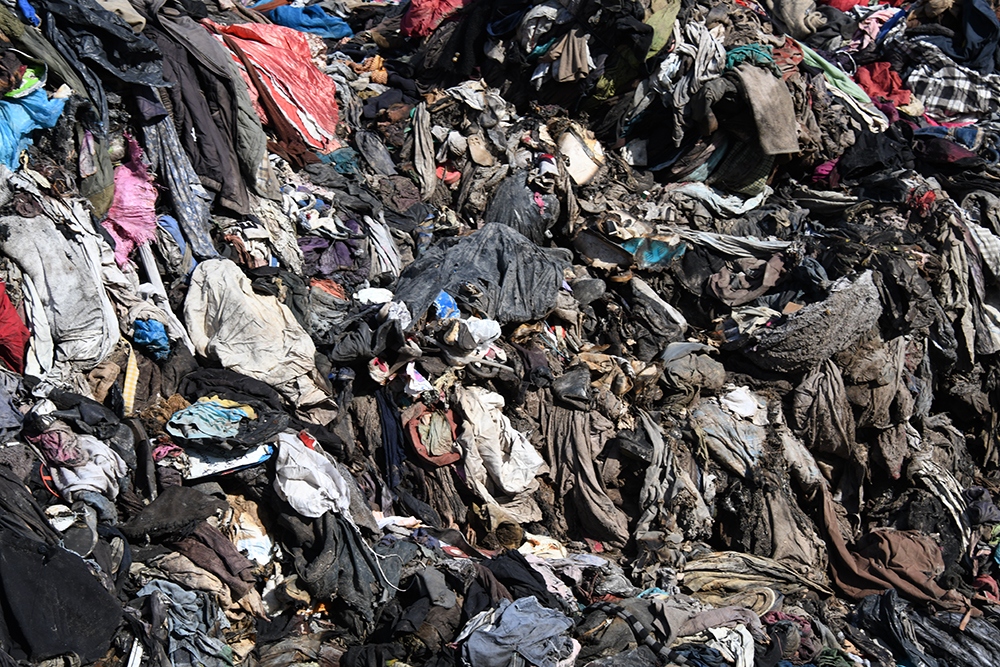
Ko te mahi a ngā whenua whairawa ki te tuku atu i ā rātou para ki ngā whenua pōhara, ki reira whakaputu ai, tāhawahawa ai i te taiao. Ko tā te tāmitanga ā-para, he whakaū i te whakatuanuitanga tikakore a ēnei whenua whairawa me ā rātou pūnaha kaiapo, i takea mai i te ngaru tātāmi o Ūropi i nui te horapa puta i te ao, i ngā rautau 17, 18, me te 19. Ka riro ko ngā hapori haukāinga te papa, inā te raru nui o te para tāoke, pēnei i te para tāhiko me te para kirihou, ka noho tauroa ki te tinana tangata me te taiao, ka pā kino atu ki te hauora o te tangata, o te oneone, o te hau takiwā me ngā arawai.
The practice of rich countries sending their waste to marginalised countries where it accumulates and contaminates the environment. Waste colonialism reinforces the unjust domination of wealthy countries and their exploitative systems that originate from the waves of European colonisation that spread throughout the world in the 17th, 18th and 19th centuries. Local communities are burdened with the harm associated with toxic wastes, such as electronic and plastic waste, which remain in human bodies and the environment for a very long time and have devastating effects on the health of people, soil, air and waterways.
Kua ara ake te tāmitanga ā-para i te pūnaha whakapeto o ngā whenua whairawa.
He take nui te tāmitanga ā-para ka tohea ki Te Rūnanga Whakakotahi i ngā Iwi o te Ao.